
AnimaliaNot EvaluatedacceptedspeciesAccepted
Xenotrypa argentinensis
Ernst & Carrera, 2022
GBIF:196202608
0year
ABOUT
Descriptions(6)
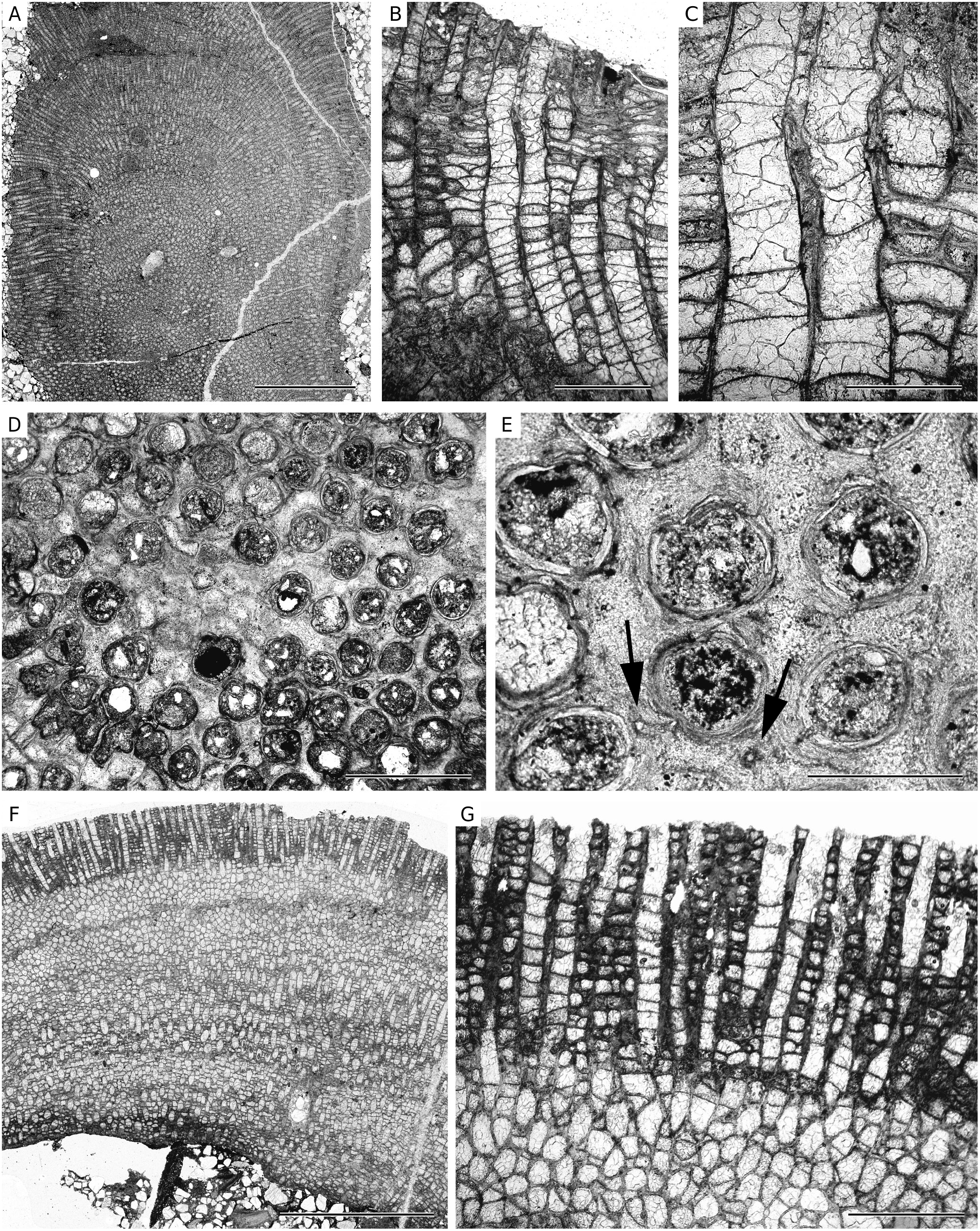
(Figs 4 F-G; 5 A-E; Appendix 1) urn: lsid: zoobank. org: act: 67915 CAA- 948 A- 462 B-A 581 - 8549 E 84 C 7 F 8 A
Ernst, Andrej, Carrera, Marcelo G. (2022): A cool-water bryozoan association from the La Pola Formation (Sandbian, Ordovician) of Argentine Precordillera. Geodiversitas 44 (20): 563-601, DOI: 10.5252/geodiversitas2022v44a20
DESCRIPTION Massive multilayered colonies. Autozooecia long, having polygonal transverse section in endozone. Autozooecial apertures rounded-polygonal. Autozooecial diaphragms rare to absent in endozone, common in exozone, straight, thin. Vesicles abundant, 4 - 7 surrounding each aperture, completely isolating autozooecia, angular in cross section, having straight or curved roofs, sealed by calcitic skeleton near colony surface. Acanthostyles relatively large, 3 - 6 surrounding each autozooecial aperture, originating in endozone, with distinct wide hyaline cores, rarely indenting autozooecia. Autozooecial walls indistinctly laminated, 0.008 - 0.015 mm thick. Maculae not observed. COMPARISON
Ernst, Andrej, Carrera, Marcelo G. (2022): A cool-water bryozoan association from the La Pola Formation (Sandbian, Ordovician) of Argentine Precordillera. Geodiversitas 44 (20): 563-601, DOI: 10.5252/geodiversitas2022v44a20
DIAGNOSIS. — Massive multilayered colonies. Autozooecial apertures rounded-polygonal. Autozooecial diaphragms rare to absent in endozone, common in exozone, straight, thin. Vesicles abundant, 4 - 7 surrounding each aperture, completely isolating autozooecia. Acanthostyles relatively large, 3 - 6 surrounding each autozooecial aperture. Maculae not observed.
Ernst, Andrej, Carrera, Marcelo G. (2022): A cool-water bryozoan association from the La Pola Formation (Sandbian, Ordovician) of Argentine Precordillera. Geodiversitas 44 (20): 563-601, DOI: 10.5252/geodiversitas2022v44a20
The investigated material is similar to representatives of the Family Xenotrypidae which consists of two genera: Xenotrypa Bassler, 1952 and Hennigopora Bassler, 1952. However, its assignment to a genus is difficult. The genus Xenotrypa Bassler, 1952 is known with few specimens restricted mainly to the type material of two species of the genus, Xenotrypa primaeva (Bassler, 1911) from the Lower Ordovician of Russia, and X. bassleri Astrova, 1965 from the Middle Ordovician of Russia. The type species X. primaeva reveals large acanthostyles with centres of dark colour (Utgaard 1983: 377, fig. 169). In contrast, acanthostyles in Hennigopora have distinct hyaline cores, like in present material. Xenotrypa argentinensis n. sp. differs from X. primaeva and X. bassleri in its smaller autozooecial apertures (aperture width at average 0.16 mm vs 0.36 mm in X. primaeva; 0.13 - 0.21 mm vs 0.22 - 0.34 mm in X. bassleri) as well as in more abundant acanthostyles and abundant diaphragms in autozooecia.
Ernst, Andrej, Carrera, Marcelo G. (2022): A cool-water bryozoan association from the La Pola Formation (Sandbian, Ordovician) of Argentine Precordillera. Geodiversitas 44 (20): 563-601, DOI: 10.5252/geodiversitas2022v44a20
ETYMOLOGY. — The species is named after finding it in Argentina.
Ernst, Andrej, Carrera, Marcelo G. (2022): A cool-water bryozoan association from the La Pola Formation (Sandbian, Ordovician) of Argentine Precordillera. Geodiversitas 44 (20): 563-601, DOI: 10.5252/geodiversitas2022v44a20
HOLOTYPE. — CEGH-UNC 27523 a, b (three thin sections of one colony). PARATYPE. — CEGH-UNC 27521 a (thin section of one colony). TYPE LOCALITY. — La Pola creek section near Albardon village, San Juan Province, Argentine Precordillera, western Argentina. TYPE HORIZON. — La Pola Formation, Upper Ordovician, Sandbian.
Ernst, Andrej, Carrera, Marcelo G. (2022): A cool-water bryozoan association from the La Pola Formation (Sandbian, Ordovician) of Argentine Precordillera. Geodiversitas 44 (20): 563-601, DOI: 10.5252/geodiversitas2022v44a20
Export occurrence data
Darwin Core Archive (ZIP)
CLASSIFICATION
Taxonomic Classification Tree

MULTIMEDIA
Media Files(1)
FIG. 4. — A-E, Lunaferamita virginiensis Utgaard, 1981: A, longitudinal thin section of a colony, CEGH-UNC 27524 a; B, C, longitudinal section of exozone showing autozooecia with diaphragms and vesicles, CEGH-UNC 27513 c; D, tangential thin section showing macula, autozooecial apertures and acanthostyles (arrows), CEGH-UNC 27513 b; F, G, Xenotrypa argentinensis n. sp., longitudinal thin section, holotype CEGH-UNC 27523 b. Scale bars: A, F, 5 mm; B, D, 0.5 mm; C, E, 0.2 mm; G, 1 mm.
Imageimage/png© Ernst, Andrej;Carrera, Marcelo G.Ernst, Andrej;Carrera, Marcelo G.
IMAGES