
AnimaliaNot EvaluatedacceptedspeciesAccepted
Hyalinella indica
Annandale, 1915
GBIF:203932751
0year
ABOUT
Descriptions(4)
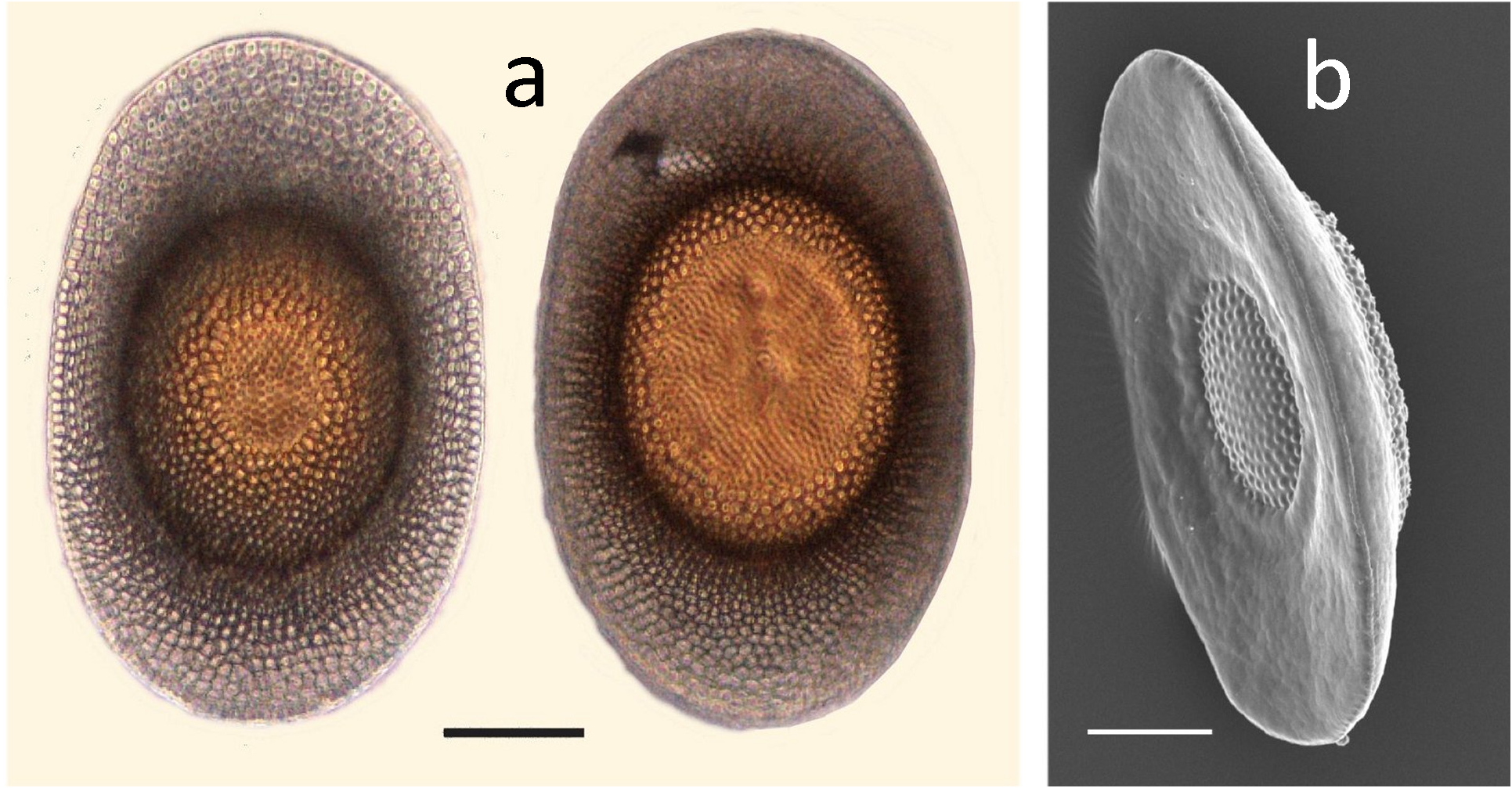
(Fig. 2) Original descriptions. Australella indica: Annandale, 1915 a, p. 165 – 67, fig. 1.
Wood, Timothy S. (2022): Phylactolaemate bryozoans at the Zoological Survey of India and a taxonomic key to Indian Phylactolaemata. Zootaxa 5200 (2): 401-435, DOI: 10.11646/zootaxa.5200.5.1
Remarks. All of the designated lectotypes are in excellent condition with numerous statoblasts. Annandale took great pains to distinguish his Australella indica from Hyalinella lendenfeldi Ridley, 1886 which he knew only from a small specimen shrunken by alcohol fixative. The perceived differences are now recognized as having virtually no taxonomic value. The statoblast lengths averaging 553 µm are entirely consistent with specimens from Thailand (Wood et al. 2006), although somewhat smaller than those reported from Cambodia (Hirose & Mawatari 2007). No other known species has such a large floatoblast with a distinctively concave dorsal valve. Annandale’s description of the colony also is consistent with H. lendenfeldi.
Wood, Timothy S. (2022): Phylactolaemate bryozoans at the Zoological Survey of India and a taxonomic key to Indian Phylactolaemata. Zootaxa 5200 (2): 401-435, DOI: 10.11646/zootaxa.5200.5.1
Distribution. Hyalinella lendenfeldi is known from Australia (Ridley 1886), Thailand (Wood et al. 2006), and Cambodia (Hirose & Mawatari 2007). In India it has been reported from Maharashtra (Swami et al. 2016) and tentatively reported from Madhya Pradesh (Rao 1992). Additional references. Hastings, 1929, p. 303.
Wood, Timothy S. (2022): Phylactolaemate bryozoans at the Zoological Survey of India and a taxonomic key to Indian Phylactolaemata. Zootaxa 5200 (2): 401-435, DOI: 10.11646/zootaxa.5200.5.1
Type material. Lectotypes (designated here), ZEV 6952 / 7 and ZEV 6750 / 7 collected 12 October 1914 at Lahore, Punjab by Baini Prasad, and NHMUK 1915.1. 14.1, from the same date and locality. Characterization. Colony flat, appearing gelatinous, branches closely appressed leaving no space between them, body wall soft, hyaline and colorless. Annandale (1915 a) described the colony as a “ massive, somewhat nodular structure growing around the stems of water plants, ” with all parts of the colony adhering to the substratum. He further noted that the statoblasts were broadly oval, about 460 µm in length, with the dorsal valve “ distinctly concave. ” Status. The designated lectotypes clearly belong to Hyalinella lendenfeldi (Ridley, 1886).
Wood, Timothy S. (2022): Phylactolaemate bryozoans at the Zoological Survey of India and a taxonomic key to Indian Phylactolaemata. Zootaxa 5200 (2): 401-435, DOI: 10.11646/zootaxa.5200.5.1
Export occurrence data
Darwin Core Archive (ZIP)
CLASSIFICATION
Taxonomic Classification Tree

MULTIMEDIA
Media Files(1)
IMAGES