
AnimaliaNot EvaluatedacceptedspeciesAccepted
Plumatella longigemmis
Annandale, 1915
GBIF:203932761
0year
ABOUT
Descriptions(4)
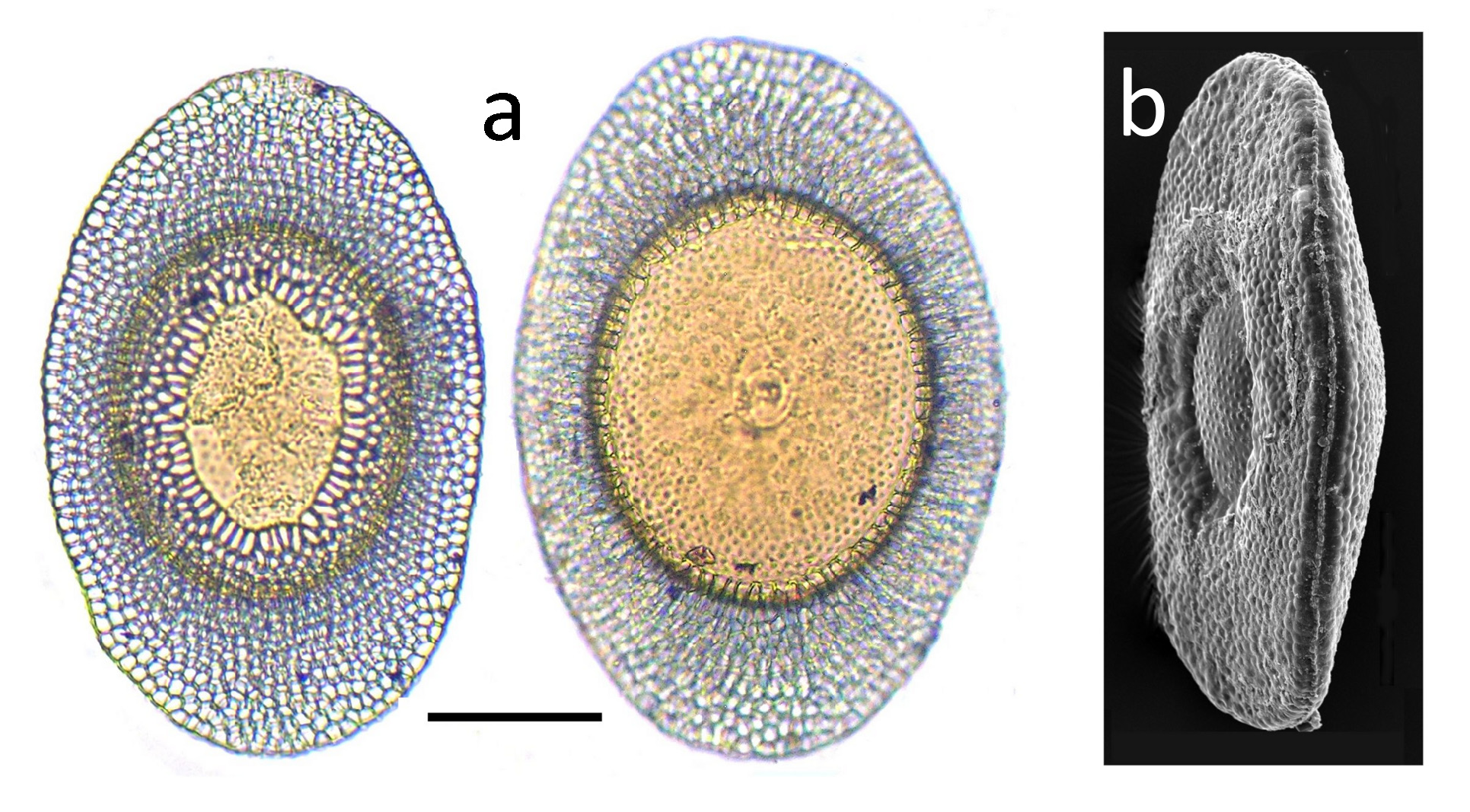
(Fig. 5) Original descriptions. Plumatella punctata var. longigemmis: Annandale, 1915 a: p. 168, 169, fig. 2; 1915 b: p. 122; Plumatella (Hyalinella) longigemmis Annandale 1919, p. 94; Plumatella longigemmis: Annandale, 1922: p. 208.
Wood, Timothy S. (2022): Phylactolaemate bryozoans at the Zoological Survey of India and a taxonomic key to Indian Phylactolaemata. Zootaxa 5200 (2): 401-435, DOI: 10.11646/zootaxa.5200.5.1
Remarks. Annandale (1915 a) described this species as being similar to Hyalinella punctata (Hancock, 1850) “ in every respect ” except that the floatoblasts were “ uniformly more elongate and have relatively smaller capsules. ” This not to say that the floatoblasts of P. longigemmis were necessarily elongate, just that they were longer than those of H. punctata. Annandale’s (1915 a, p. 166, fig. 2), accurately represents the floatoblast ventral valve, and actually it is not longer than that of H. punctata. Annandale (1922) reported the species from the Columbo waterworks, but there are apparently no specimens for verification. Lacourt (1968) claimed a wide distribution for P. longigemmis, including Africa and West Indies, but his list of synonymies throws doubt on his understanding of the species. The reported occurrence of P. longigemmis in Australia (Wood 1998) was incorrect, and the actual species described there has not been resolved.
Wood, Timothy S. (2022): Phylactolaemate bryozoans at the Zoological Survey of India and a taxonomic key to Indian Phylactolaemata. Zootaxa 5200 (2): 401-435, DOI: 10.11646/zootaxa.5200.5.1
Distribution. Plumatella longigemmis, now identified as H. lendenfeldi, was initially collected from a freshwater pond on Barkuda Island (now known as Honeymoon Island) in Chilka Lake, one of the world’s largest brackish water lagoons located in the Ganjam District, Odisha State, India. Elsewhere H. lendenfeldi is known from Australia (Ridley 1886), Thailand (Wood et al. 2006), and Cambodia (Hirose & Mawatari 2007). In India it has been reported from Maharashtra (Swami et al. 2016) and tentatively reported from Madhya Pradesh (Rao 1992)
Wood, Timothy S. (2022): Phylactolaemate bryozoans at the Zoological Survey of India and a taxonomic key to Indian Phylactolaemata. Zootaxa 5200 (2): 401-435, DOI: 10.11646/zootaxa.5200.5.1
Type material. P 47 (syntype), collected 1914 – 1917, Barkuda Island in Chilka Lake, Ganjam District, Madras Presidency by Annandale; ZEV 6659 / 7 and ZEV 6661 / 7 were collected from the same site but possibly at a different time. Status. The species belongs to Hyalinella lendenfeldi (Ridley, 1886). Characterization. Syntype colony with thick, dense clusters of zooids surrounding a narrow stem. Floatoblast dorsal valve distinctly concave; dorsal fenestra small, measuring less than half the length and width of the valve; ventral fenestra ranging from broadly oval to nearly circular; tubercles on both fenestrae uniform in size, low and uncrowded; floatoblast dimensions, shown in Table 1 and Fig. 5, matching Annandale’s published measurements. Sessoblasts unknown.
Wood, Timothy S. (2022): Phylactolaemate bryozoans at the Zoological Survey of India and a taxonomic key to Indian Phylactolaemata. Zootaxa 5200 (2): 401-435, DOI: 10.11646/zootaxa.5200.5.1
Export occurrence data
Darwin Core Archive (ZIP)
CLASSIFICATION
Taxonomic Classification Tree

MULTIMEDIA
Media Files(1)
FIGURE 5. Plumatella longigemmis. Statoblasts from specimenP47 labeled Plumatella longigemmis (syntype), now recognized as Hyalinella lendenfeldi. (a) Floatoblast valves with dorsal valve on the left; (b) SEM image showing the floatoblast dorsal side in greater detail. Scale bars = 100 µm.
Imageimage/png© Wood, Timothy S.Wood, Timothy S.
IMAGES