
AnimaliaNot EvaluatedacceptedspeciesAccepted
Plumatella persica
GBIF:203932766
ABOUT
Descriptions(4)
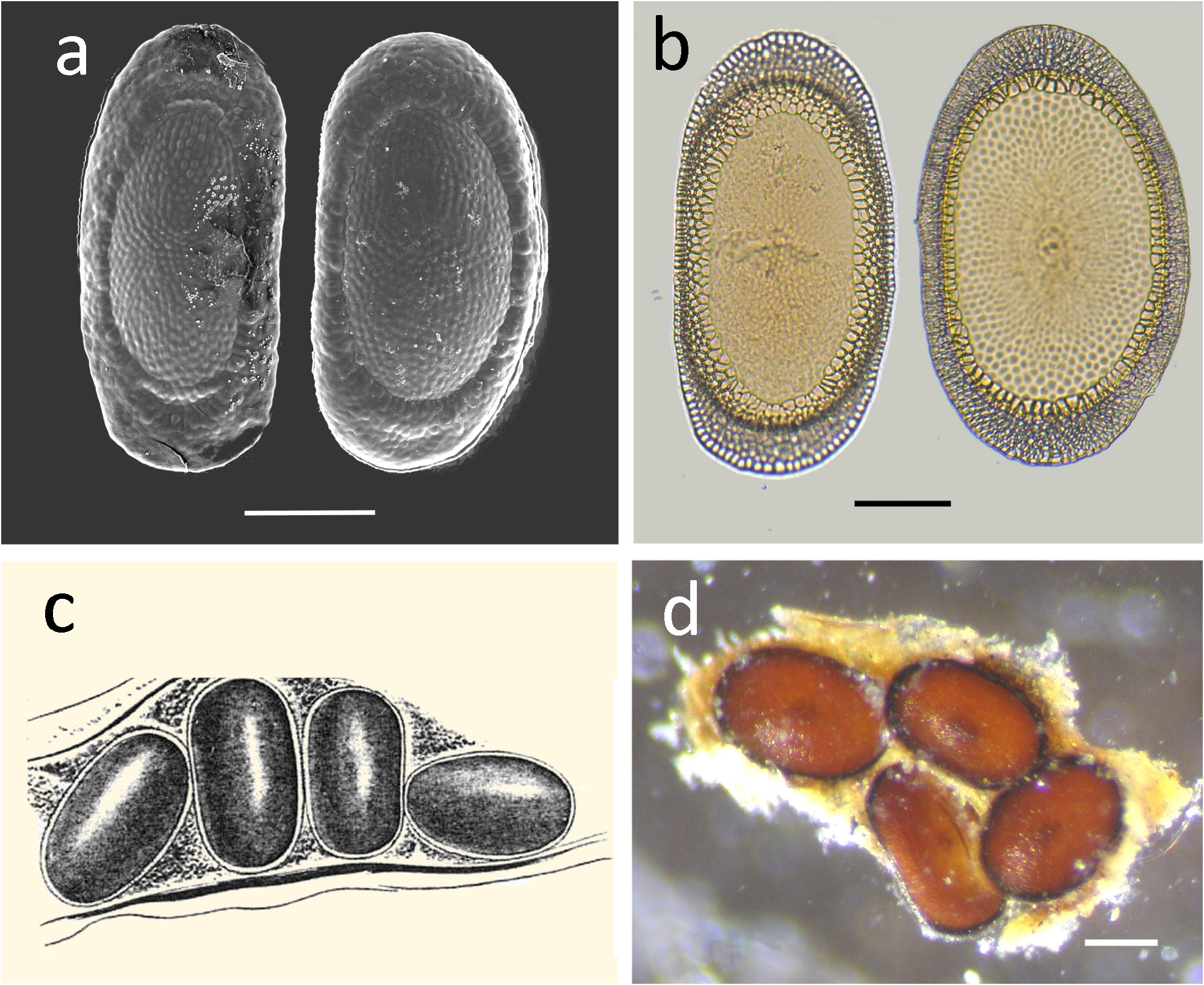
(Fig. 7) Original description. Plumatella (Afrindella) persica: Annandale 1919, p. 92, 93.
Wood, Timothy S. (2022): Phylactolaemate bryozoans at the Zoological Survey of India and a taxonomic key to Indian Phylactolaemata. Zootaxa 5200 (2): 401-435, DOI: 10.11646/zootaxa.5200.5.1
Remarks. The lectotype colony appears as a flat patch on a 2 - cm diameter stem. Both floatoblasts and sessoblasts are abundant; the ectocyst is intact but there are no preserved polypides. There is no indication that Annandale was aware of Plumatella casmiana, a species known only from Japan at the time P. persica was described. One specimen of P. casmiana that he collected in Kolkata (ZEV 3339) was attributed to Plumatella allmani diffusa (Fig. 7 b). In general, Plumatella casmiana can be recognized by the flat, compact colony structure and the oblong fenestrae on both valves of the capsuled floatoblast. The sessoblast frontal valves often show low tubercles but can also be almost featureless; the annulus is notably narrow. The contiguous arrangement of sessoblasts, a typical feature of this species, is shown in Annandale’s 1919 illustration (Fig. 7 c) and in my own more recent collection from Thailand (Fig. 7 d).
Wood, Timothy S. (2022): Phylactolaemate bryozoans at the Zoological Survey of India and a taxonomic key to Indian Phylactolaemata. Zootaxa 5200 (2): 401-435, DOI: 10.11646/zootaxa.5200.5.1
Distribution. This species is known from every continent except Antarctica.
Wood, Timothy S. (2022): Phylactolaemate bryozoans at the Zoological Survey of India and a taxonomic key to Indian Phylactolaemata. Zootaxa 5200 (2): 401-435, DOI: 10.11646/zootaxa.5200.5.1
Type material. ZEV 3637 (lectotype, chosen here) collected November, 1918 at the Randa stream, 4 miles NW Jellalabad, Seistan (now Afghanistan) by Nelson Annandale and Stanley Wells Kemp. Characterization. Colony flat and compact, with zooids radiating in all directions, older zooids appearing to rest obliquely upon the more distal younger ones; floatoblasts elongate with nearly parallel sides, both dorsal and ventral fenestra assuming an elongate shape (Fig. 7 a, b); sessoblasts arranged contiguously in rows, each with a smooth frontal valve and narrow lamella. Measurements of five whole floatoblasts show length 371 – 463 µm, mean = 411 µm; width 276 – 366 µm, mean = 323 µm. Status. The specimen is Plumatella casmiana Oka, 1907. Additional material. ZEV 3339 collected at Belgachia, Kolkata by Nelson Annandale, originally labeled Plumatella allmani diffusa, (dated 1 January 1894 almost certainly in error).
Wood, Timothy S. (2022): Phylactolaemate bryozoans at the Zoological Survey of India and a taxonomic key to Indian Phylactolaemata. Zootaxa 5200 (2): 401-435, DOI: 10.11646/zootaxa.5200.5.1
Export occurrence data
Darwin Core Archive (ZIP)
CLASSIFICATION
Taxonomic Classification Tree

MULTIMEDIA
Media Files(1)
FIGURE 7. Plumatella persica, now recognized as P. casmiana. (a) SEM images of floatoblasts from ZEV3637, “Plumatella (Afrindella) persica type”; (b) Floatoblast valves of ZEV 3339 “Plumatella allmani diffusa;” (c) Sessoblasts of “Plumatella persica,” modified from Annandale, 1919 showing features typical of P. casmiana: crowded narrow annulus, and absence of prominent tubercles; (d) Sessoblasts of P.casmiana from Thailand presented for comparison with Figure 7c. Scale bars = 100 µm.
Imageimage/png© Wood, Timothy S.Wood, Timothy S.
IMAGES